Highly rated
Toys
DetailsWonder Workshop
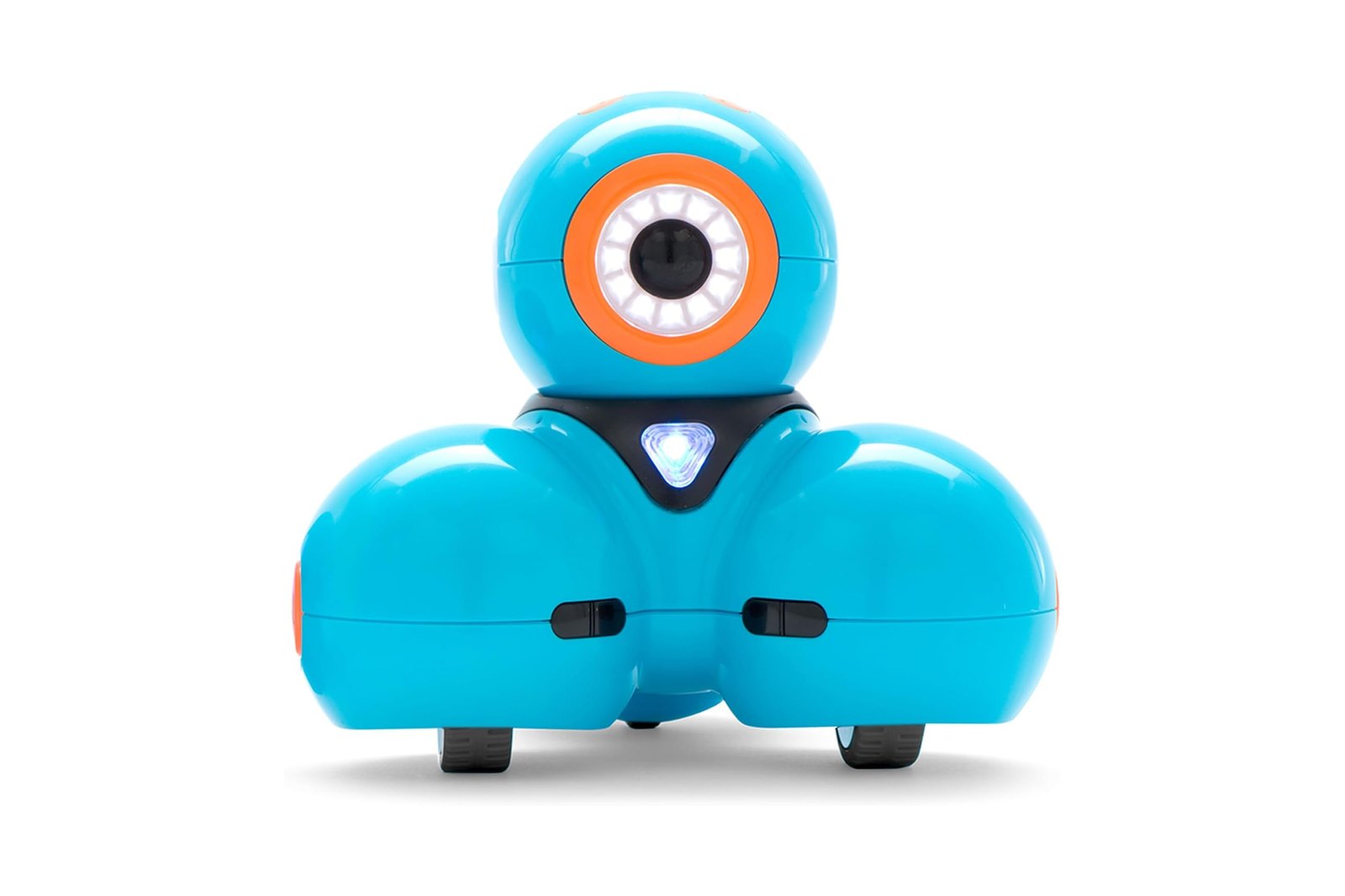
Wonder Workshop Dash Robot
Dash Robot — Ages 6+.
4.6(2,260)
$18030-day avg $180 | low $180 | high $180100 sold last month

Guides/Toys
Decide whether they program it, or it talks back. Age and a tablet rule matter more than the word “AI.”
Updated September 2026
From the copy on each details page. A check means we found that claim. Blank means we did not — not that the machine lacks it. Name, rating, and price stay put when you scroll sideways.
| Robot | Rating | Price | Type | Age | Coding | Companion | Screen-free | App | Voice | Build kit |
|---|---|---|---|---|---|---|---|---|---|---|
| BAZOLOTA Kids RobotBAZOLOTA | 4.5(983) | $40 | Coding | 3–5 | — | — | — | — | ||
| Botley 2.0Learning Resources | 4.5(1,902) | $100 | Coding | 5+ | — | — | ||||
| Code & Go Robot MouseLearning Resources | 4.6(1,736) | $33 | Coding | 4+ | — | — | — | — | ||
| Holyton 5088Holyton | 4.6(147) | $70 | Coding | 6–12 | — | — | — | |||
| K1 Interstellar ScoutRobosen | $399 | Coding | — | — | — | — | ||||
| LEGO Education SPIKE PrimeLEGO | 4.7(290) | $1,400 | Coding | — | — | — | — | — | ||
| Makeblock Codey RockyMakeblock | 4.3(477) | $140 | Coding | — | — | — | — | — | ||
| Ozobot Evo Coding RobotOzobot | 4.6(69) | $175 | Coding | 5–11 | — | — | — | |||
| Primo CubettoPrimo Toys | — | Coding | 3–6 | — | — | — | ||||
| Ruko 1088 Smart Robot ToyRuko | 4.5(6,983) | $110 | Coding | 4–9 | — | — | — | |||
| Sphero BOLT Coding RobotSphero | 4.7(1,307) | $157 | Coding | 8+ | — | — | — | — | ||
| Sphero BOLT+ Coding RobotSphero | 4.5(64) | $199 | Coding | — | — | — | — | |||
| Sphero indiSphero | 4.4(137) | $100 | Coding | 4+ | — | — | — | |||
| Sphero MiniSphero | 4.6(5,587) | $50 | Coding | 8+ | — | — | — | — | ||
| Sphero Mini Activity KitSphero | 4.7(747) | $99 | Coding | 8+ | — | — | — | — | ||
| Switcheroo Coding CrewLearning Resources | 4.3(298) | $63 | Coding | 4+ | — | — | — | — | ||
| TaleBot ProMatataStudio | 4.7(122) | $100 | Coding | 3–5 | — | — | — | |||
| Thames & Kosmos Coding ChameleonThames & Kosmos | 4.1(339) | $26 | Coding | 8+ | — | — | — | — | ||
| TUEESN Robot DogTUEESN | 4.2(120) | $68 | Coding | 6+ | — | — | — | |||
| Wonder Workshop Dash RobotWonder Workshop | 4.6(2,260) | $180 | Coding | 6+ | — | — | — | |||
| 98K Kids Robot98K | 4.0(6,372) | $25 | Companion | — | — | — | — | — | ||
| Aibi Pocket PetEMOPET | 3.8(197) | $299 | Companion | — | — | — | — | |||
| Aikmi RobotAikmi | 4.4(750) | $30 | Companion | 4–12 | — | — | — | — | — | |
| Anki Vector 2.0 Home RobotDigital Dream Labs | 4.0(11,130) | — | Companion | — | — | — | — | |||
| Eilik Desktop CompanionEnergize Lab | 4.7(130) | $200 | Companion | — | — | — | — | — | ||
| EilikoEnergize Lab | 4.1(409) | $60 | Companion | — | — | — | — | |||
| EMOPET AI Desk RobotEMOPET | 3.7(143) | $419 | Companion | — | — | — | — | |||
| LOOITangibleFuture | 3.8(396) | $239 | Companion | — | — | — | — | |||
| Loona Pet RobotKEYi | 4.0(1,013) | $499 | Companion | — | — | — | — | |||
| Miko 3 AI RobotMiko | 1.0(2) | $299 | Companion | 5–10 | — | — | ||||
| Ruko 6088Ruko | 4.6(2,033) | $40 | Companion | 3–6 | — | — | — | |||
| Thames & Kosmos HeroThames & Kosmos | 3.5(153) | $26 | Companion | 8+ | — | — | — | |||
| Apitor 6-in-1 STEM KitApitor | 4.7(308) | $60 | Kit | 8–12 | — | — | — | |||
| Arduino AlvikArduino | 2.5(32) | $140 | Kit | 12+ | — | — | — | |||
| Botley the Coding RobotLearning Resources | 4.6(2,127) | $76 | Kit | 5+ | — | — | — | |||
| Demkia STEM Robot KitDemkia | 4.6(199) | $60 | Kit | 8–12 | — | — | — | |||
| ELECFREAKS CutebotELECFREAKS | 4.2(206) | $30 | Kit | — | — | — | — | — | ||
| ELEGOO Smart Robot Car V4ELEGOO | 4.5(4,490) | $60 | Kit | 12+ | — | — | — | |||
| ELEGOO TumbllerELEGOO | 4.5(312) | $85 | Kit | 12+ | — | — | — | |||
| HEX BOTS BattleBots ArenaHEX BOTS | 4.0(116) | $50 | Kit | 4–6 | — | — | — | — | ||
| iATOM Johnny 5 KitiATOM | 4.4(462) | $50 | Kit | — | — | — | — | |||
| IQKidz 3-in-1 STEM KitIQKidz | 4.6(629) | $60 | Kit | 8–12 | — | — | — | |||
| Makeblock mBot RangerMakeblock | 4.4(744) | $170 | Kit | 10+ | — | — | — | |||
| Makeblock mBot Robot KitMakeblock | 4.6(2,880) | $70 | Kit | 8–12 | — | — | — | |||
| Makeblock mBot UltimateMakeblock | 4.3(201) | $400 | Kit | 12–16 | — | — | — | — | ||
| Matatalab Coding Set ProMatataStudio | 4.7(37) | $230 | Kit | 4+ | — | — | — | |||
| okk Robot Building Kitokk | 4.4(1,024) | $54 | Kit | 6–12 | — | — | ||||
| Sciencow STEM Robot KitSciencow | 4.4(579) | $46 | Kit | 8–12 | — | — | — | |||
| Sillbird RC Building KitSillbird | 4.6(2,100) | $60 | Kit | 8–13 | — | — | ||||
| Sphero RVR+ Programmable RobotSphero | 4.7(34) | $339 | Kit | — | — | — | — | |||
| Teach Tech Mech 5Elenco | 4.5(5,005) | $26 | Kit | 10+ | — | — | — | |||
| Teach Tech SolarBot.14Elenco | 4.3(1,424) | $35 | Kit | 8+ | — | — | — | |||
| Contixo R1Contixo | 4.2(595) | $30 | RC | 3+ | — | — | — | — | — | |
| FDJ Transform Robot CarFDJ | 4.4(4,945) | $21 | RC | 3+ | — | — | — | — | — | — |
| Hasviey RC RobotHasviey | 4.4(328) | $20 | RC | 3+ | — | — | — | — | — | |
| IQKidz Robot DogIQKidz | 4.5(1,014) | $30 | RC | 3–8 | — | — | — | — | — | |
| Kyanio 3-in-1 STEM KitKyanio | 4.6(298) | $58 | RC | 8–12 | — | — | — | — | ||
| MindPal Smart RobotMindPal | 4.4(504) | $18 | RC | 3+ | — | — | — | — | — | — |
| Ruko 18011Ruko | 4.5(385) | $70 | RC | 4–8 | — | — | — | — | — | — |
| VTech 5-in-1 Make-a-BotVTech | 4.0(43) | $35 | RC | 5+ | — | — | — | — | — | — |
| 4M Table Top RobotToysmith | 4.4(5,398) | $18 | — | 8+ | — | — | — | |||
| LEGO SPIKE EssentialLEGO | 4.6(77) | $628 | — | 6+ | — | — | — | — | — | |
| Sillbird 12-in-1 Solar KitSillbird | 4.3(15,973) | $20 | — | 8–13 | — | — | — | |||
| Thames & Kosmos Boxing BotsThames & Kosmos | 4.5(347) | $25 | — | 8+ | — | — | — | — | — |
Type is the gift. Coding is a tool — Dash, Sphero, mBot, Botley. Companion is a character — Eilik, Loona, Vector, Miko. Kit is something they assemble. Screen-free means buttons, tiles, or cards instead of a tablet.
The cheap programmable gifts in this aisle are real Amazon products. They are not classroom bots. A Sphero will not tuck anyone in. A companion will not teach loops.
About 4–7, less screen time: Botley 2.0, Sphero indi, Code & Go mouse. Six to eleven: Dash if they will open the app, mBot if they like building, Sphero Mini if you are not sure. Eight and up: BOLT, Ozobot, Codey Rocky. Desk: Eilik. Bigger budget pet: Loona.
Toy robots have fewer lab roundups. Dash is the overlap. mBot is Parents’ and Gagadget’s overall. Wirecutter still likes Dash and indi. Bring on wants Botley 2.0 for young kids and SPIKE for 12+.
Young child, screen-free: Botley 2.0 or indi. School-age, one gift: Dash, or mBot if they like building. Not sure: Sphero Mini. Talkative desk: Eilik. Ignore the $20 talking figures unless you actually want one.
The ones this guide keeps naming. Ribbons are 2026 lists; hover a ribbon for the publication and the slot they used. Cards still go to Amazon.
Wonder Workshop
Dash Robot — Ages 6+.
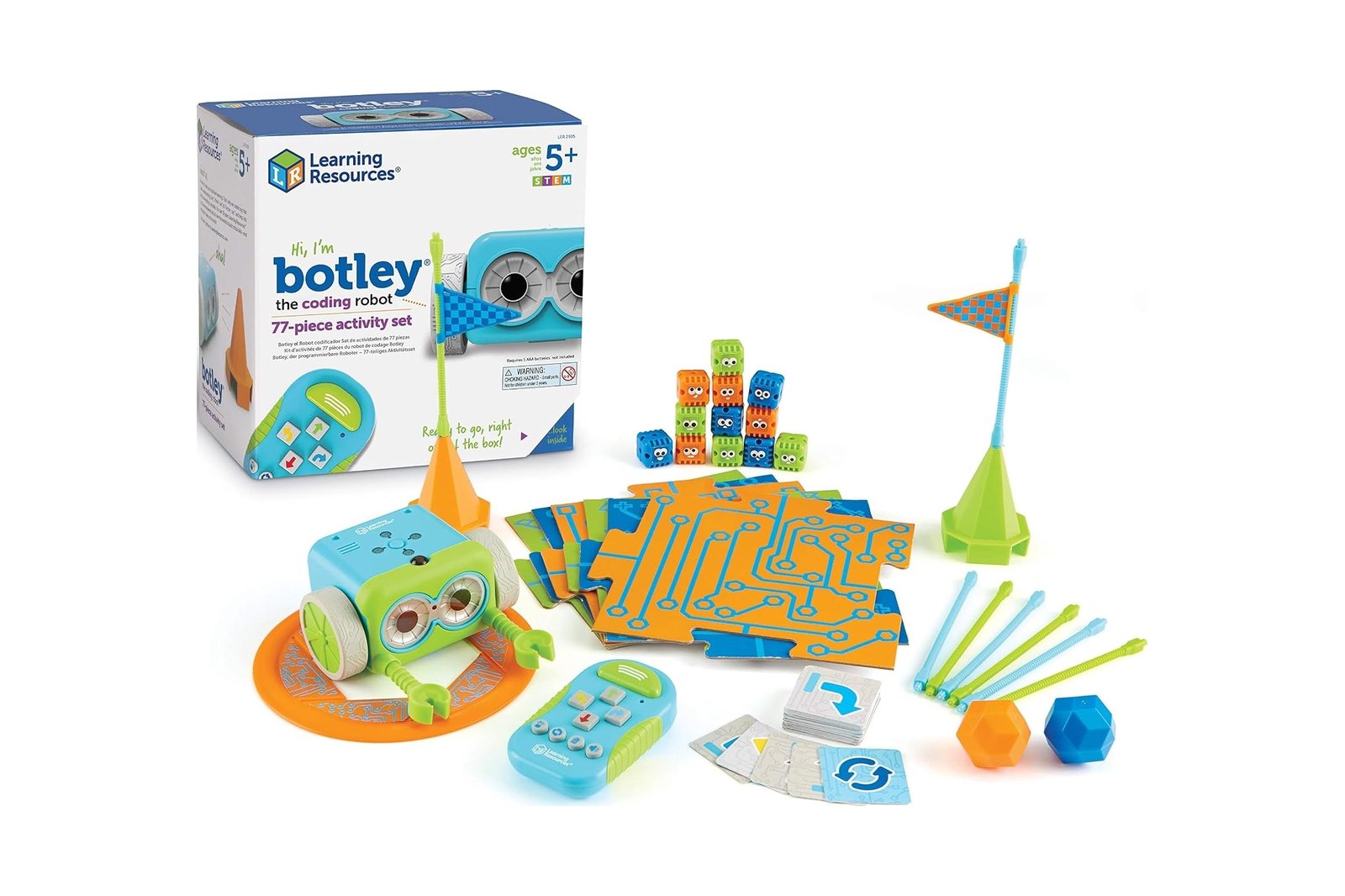
Learning Resources
Botley The Coding Robot Activity Set — Ages 5+.
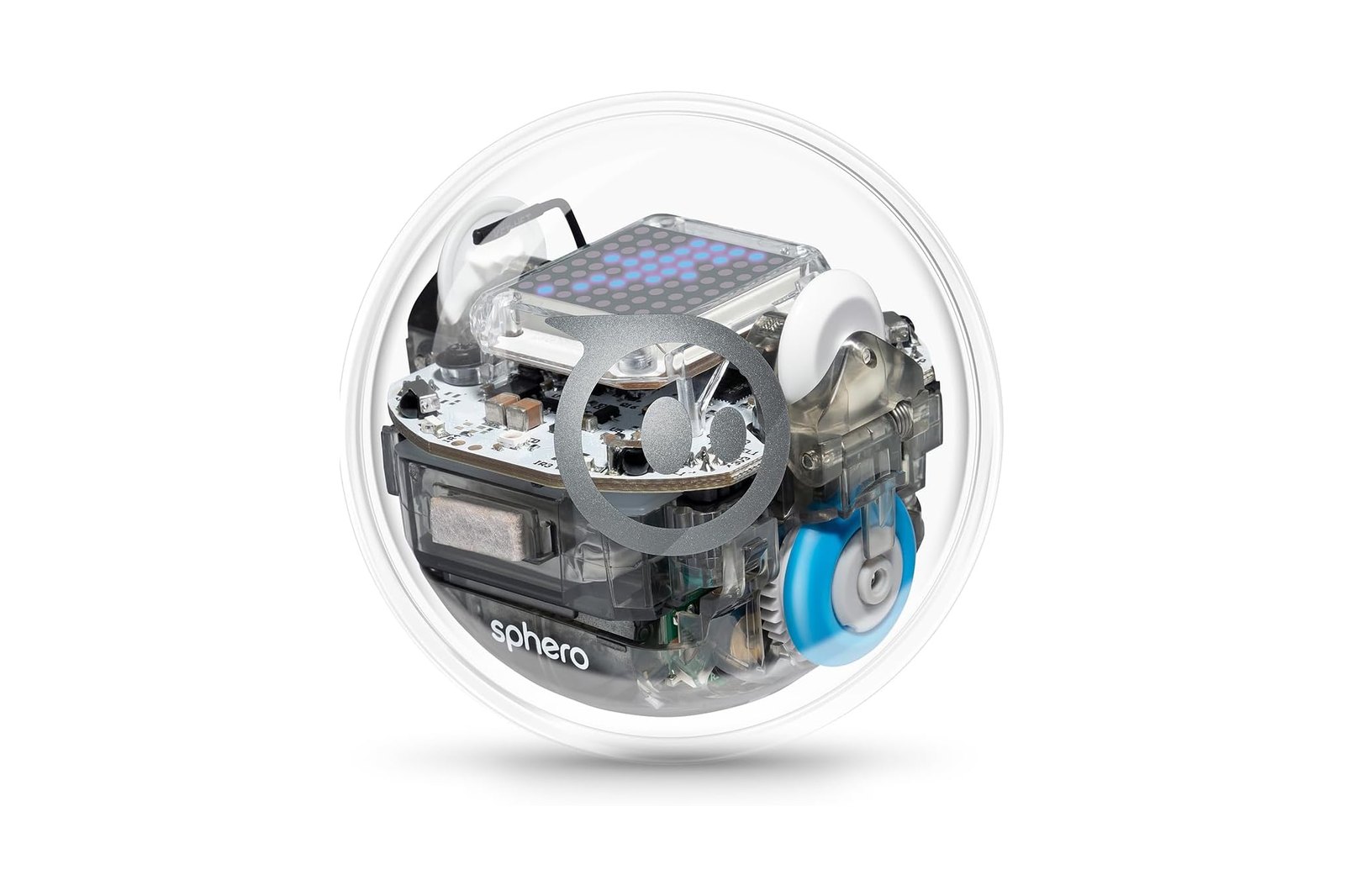
Sphero
Bolt Coding Robot Ball, Ages 8+.
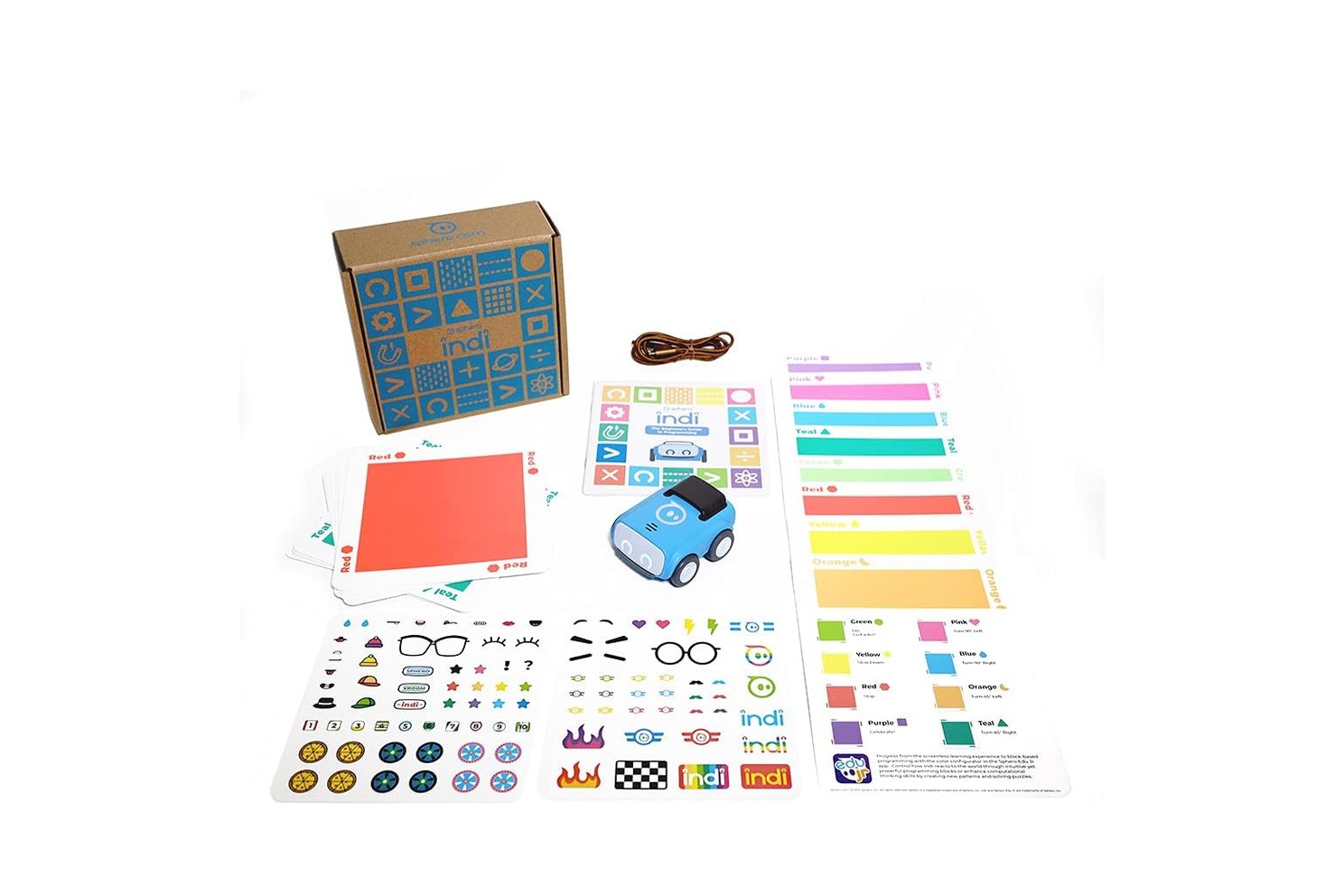
Sphero
Indi At-Home Learning Kit Screenless Coding Robot — Ages 4+.
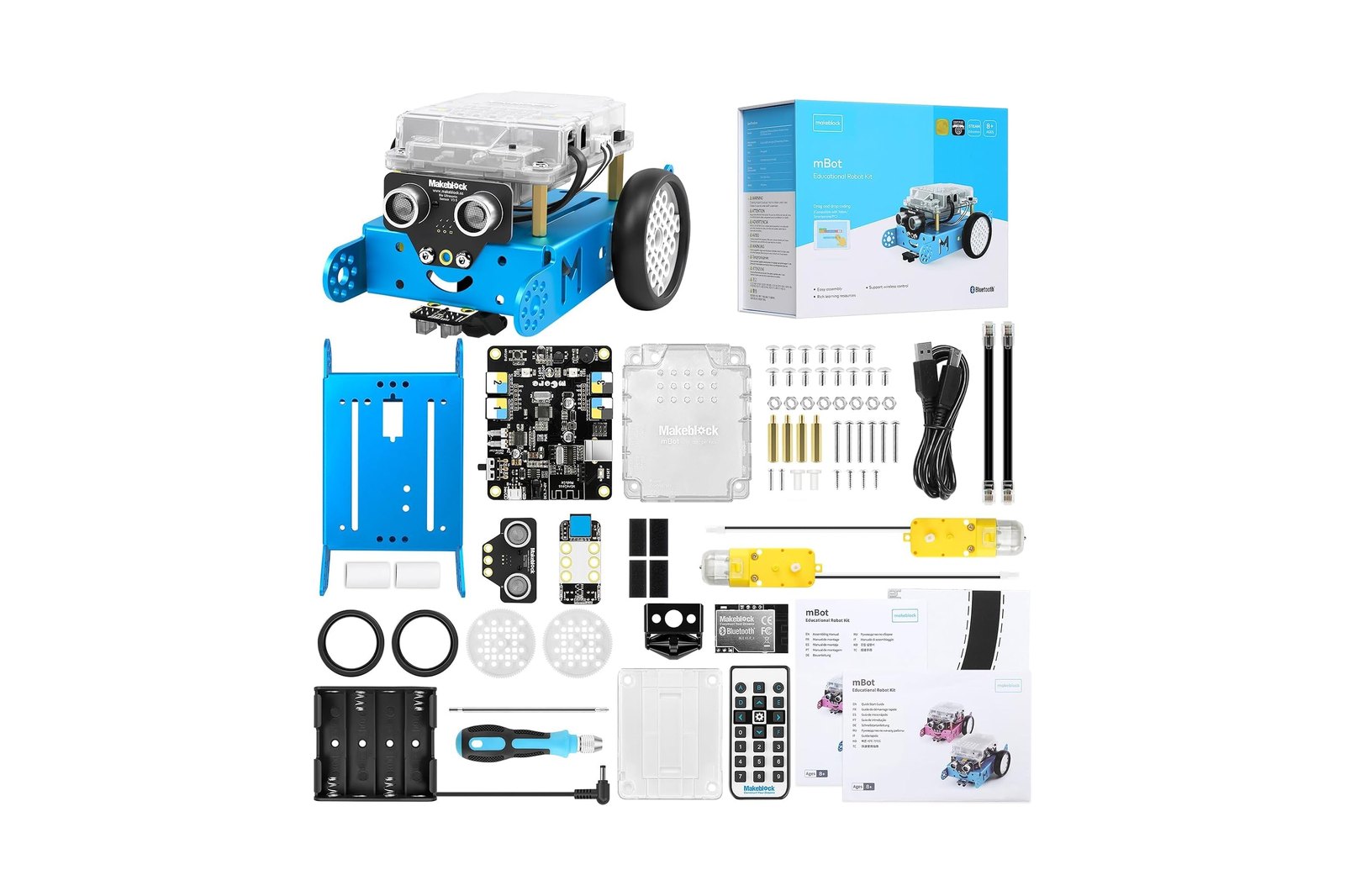
Makeblock
mBot STEM Coding Toys Robotics for Kids Ages 8-12 — Ages 8+.
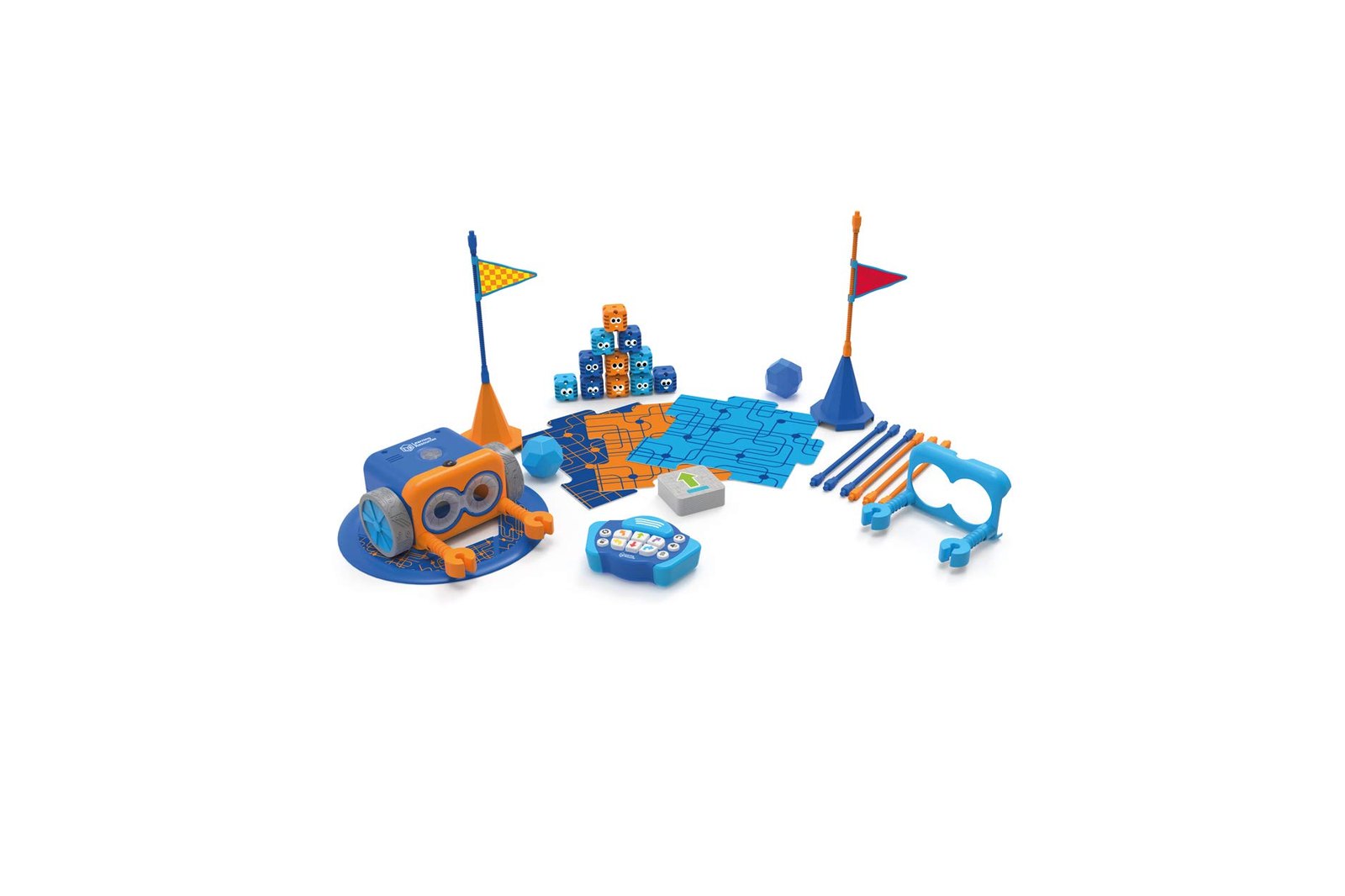
Learning Resources
Botley 2.0 The Coding Robot Activity Set — Ages 5+.
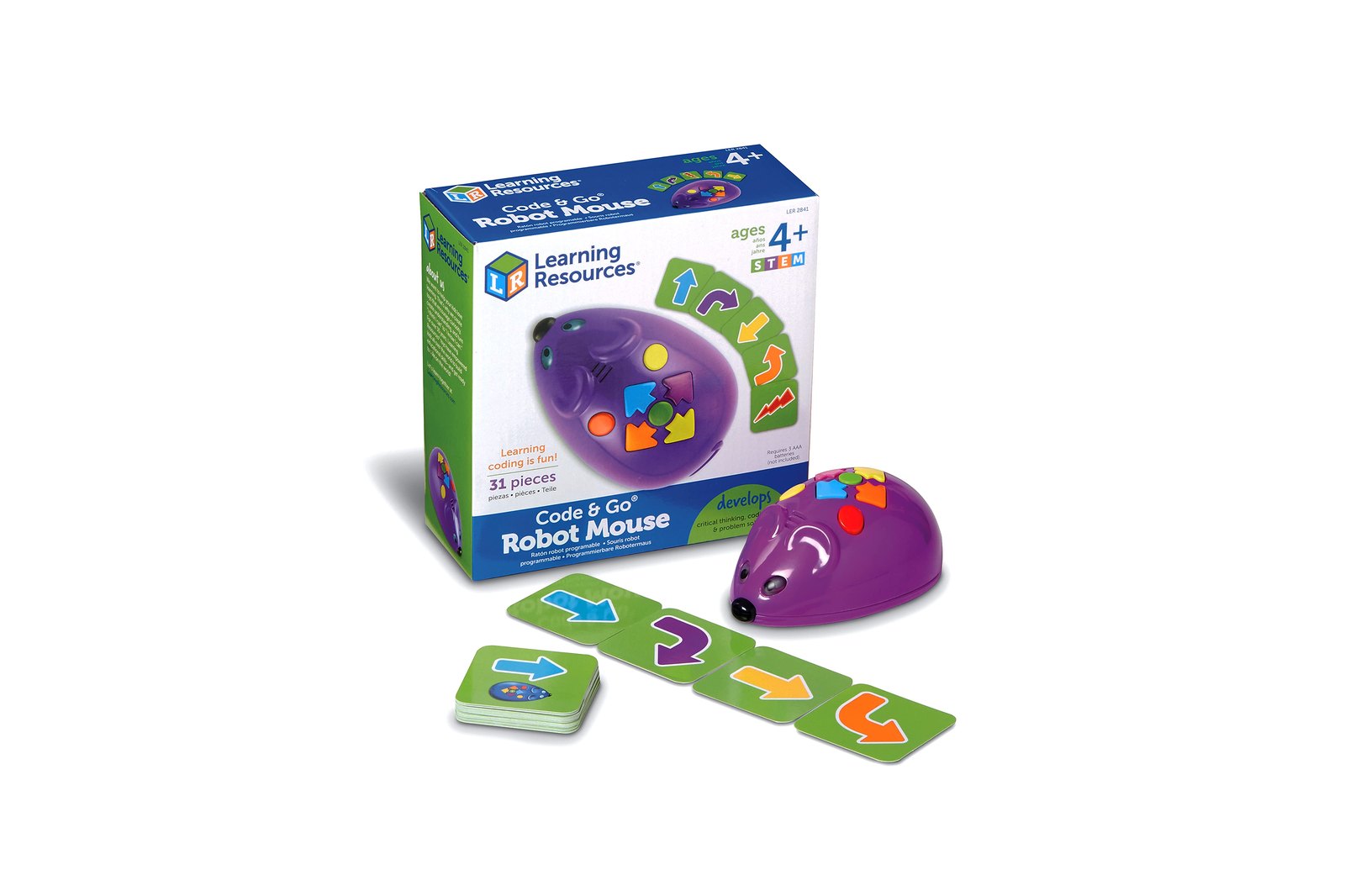 Highly rated
Learning Resources
Code & Go Robot Mouse — Ages 4+.
These are the roundups behind the ribbons. Read them if you want the full argument — product cards on this site still go to Amazon.